


Examine nearly any retail package, and you’ll see a familiar pattern, even if it goes ignored. A block of black vertical lines. A short sequence of digits printed underneath. Occasionally, the ink fades, or the sticker is misaligned. Most shoppers overlook it completely. That modest label contains a Universal Product Code.
A Universal Product Code, or UPC, consists of a 12-digit identifier used to track goods across various retail networks. Cashiers scan these codes at the register. Warehouse teams depend on them for logging incoming stock. Digital storefronts use them to confirm listings and ensure product accuracy. Most vendors only focus on these codes when a bottleneck occurs. A new listing gets flagged. Inbound shipments are turned away. Suddenly, the barcode is a priority. This article breaks down how UPCs function and why they are necessary for modern commerce.
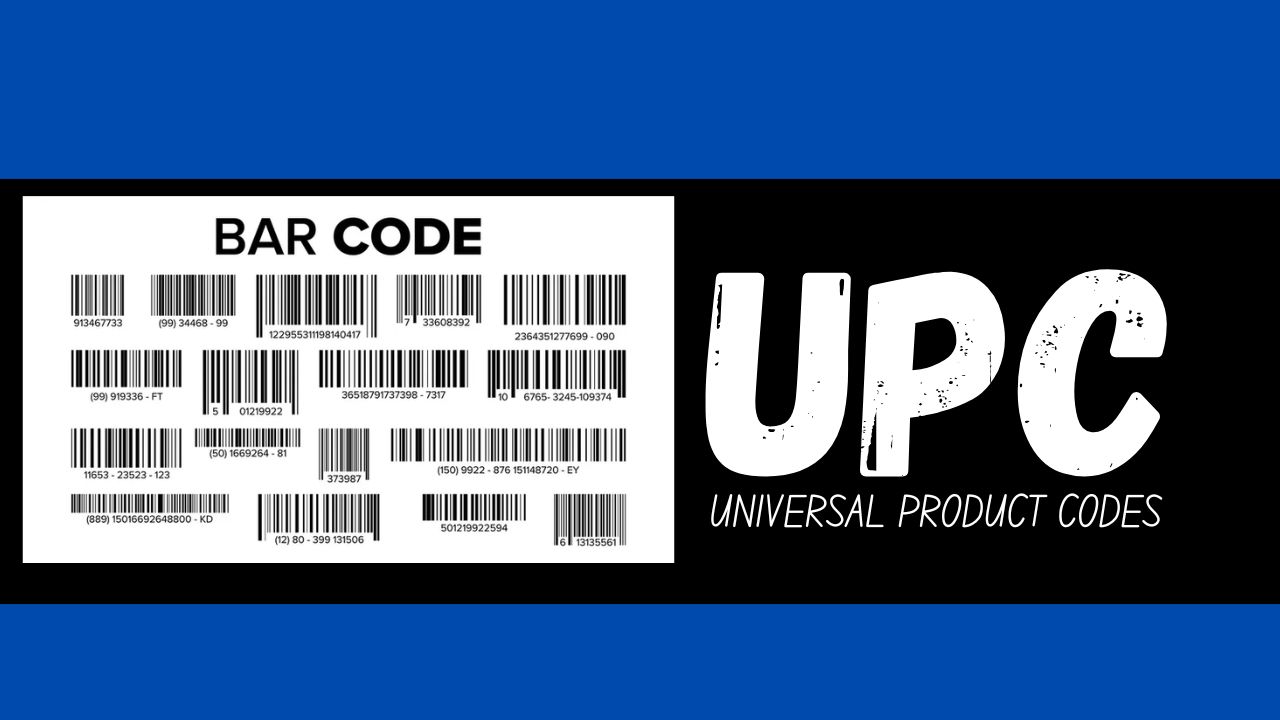
What Is a UPC and How Does It Work?
Universal Product Codes are governed by GS1, or Global Standards 1. GS1 maintains the product identification rules used throughout retail, logistics, healthcare, and manufacturing sectors.
A UPC is not random. Each digit has a role.
Breaking Down the 12 Digits
Every Universal Product Code contains three parts.
Company Prefix: The initial digits identify the specific brand owner. GS1 assigns this prefix, which remains permanently linked to the business name within the GS1 global database.
Item Reference Number: This middle segment differentiates various products within a single brand. Any change in a product’s size, color, material, or specific configuration necessitates a unique reference number.
Check Digit: The concluding digit serves to validate the complete code. It is determined by a specific mathematical formula using the preceding digits. If a scanner skips a number, the system identifies the error immediately. This design allows high-volume retail systems to verify product identity instantly.
Where UPCs Are Used: Universal Product Codes are the standard primarily across the United States and Canada. Other global regions utilize EAN codes, which operate under the same principles but feature 13 digits rather than 12.
Most modern systems recognize both formats, especially in cross-border commerce. The key factor is validity, not geography.
UPC vs. SKU vs. EAN
Not all product codes do the same job. Treating them as interchangeable creates confusion that shows up later in listings, inventory records, and fulfillment errors. Understanding where each identifier fits makes day-to-day operations easier to manage.
UPC vs. SKU
A UPC is designed to be shared. It represents one specific product the same way across every store, marketplace, and warehouse. Once assigned, that code stays tied to that product, no matter where it is sold.
A SKU works differently. Sellers create SKUs for internal use. They help track stock, manage variations, and organize catalogs inside a business system. The same product can carry different SKUs across different sellers without causing issues.
In practical terms:
- Universal Product Codes link a product to external systems like marketplaces, retailers, and fulfillment providers
- SKUs help sellers track inventory internally, set pricing rules, and manage storage locations
A UPC does not replace a SKU. Both are needed. One handles public identification, the other supports internal organization.
UPC vs. EAN
The difference between UPC and EAN comes down to structure rather than function.
- UPC contains 12 digits
- EAN contains 13 digits
EAN codes are widely used across Europe and many other international markets. UPCs remain standard across the United States and Canada. Both formats are governed by GS1 and follow the same identification principles.
Modern selling platforms usually accept either format, as long as the code is valid and registered correctly.
Why Do You Need a UPC?
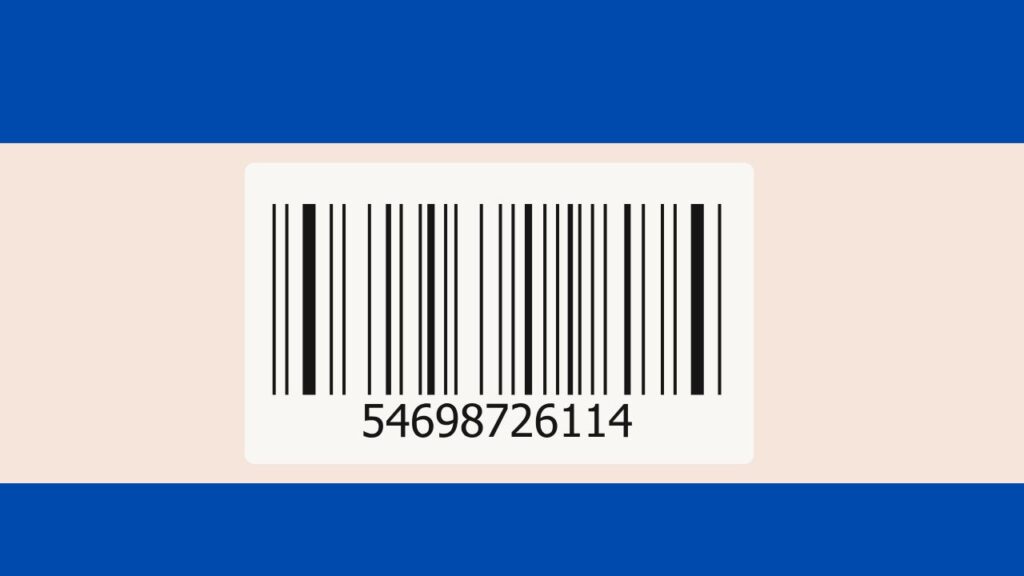
Universal Product Codes solve several problems at once. That is why platforms insist on them.
Marketplace Requirements
Amazon, Walmart, and eBay require GS1-verified Universal Product Codes for most new listings. During listing creation, these platforms cross-check the UPC prefix against GS1 records.
If the prefix does not match the brand owner, the listing fails. Sometimes immediately. Sometimes, later during an account review.
This verification step exists to reduce counterfeit listings, duplicate catalog entries, and brand abuse.
Faster Physical Handling
UPC scanning speeds up physical operations.
- Checkout lanes process items instantly
- Warehouse receiving confirms quantities faster
- Picking systems reduce selection errors
Without valid Universal Product Codes, manual handling increases and mistakes follow.
Perception and Trust
Products without proper barcodes appear unfinished. Retail buyers notice. Fulfillment providers notice. Marketplaces notice.
A valid UPC signals that a product is prepared for distribution, not just sale.
How to Buy a UPC Code the Right Way
Most products move through stores, warehouses, and online platforms without anyone thinking about how they are identified. A small barcode handles that work quietly. When it fails or goes missing, selling slows down fast, and problems surface immediately.
Buying UPC Codes the Right Way
This choice has more impact than most sellers realize. It often feels minor at the start, then quietly shapes how smoothly products move through marketplaces and fulfillment systems later.
Buying Directly From GS1
GS1 is the official organization that issues Universal Product Codes. Purchasing directly from GS1 assigns a Company Prefix tied to the seller’s registered business name. That connection stays visible in the GS1 database and can be verified by marketplaces at any time.
Buying through GS1 offers a few clear advantages:
- Product listings pass marketplace validation checks
- The brand name matches the UPC prefix in public records
- Product identification stays consistent as the catalog grows
GS1 provides different options depending on scale. A business launching a single product can purchase individual codes, while larger catalogs can license a full prefix to support hundreds of items over time.
The Risk Behind Cheap Resellers
Third-party UPC sellers often promote low prices and fast delivery. On the surface, the offer looks convenient. The problem usually shows up later.
Many reseller codes were originally assigned to unrelated companies years ago. When a marketplace checks the GS1database, the prefix no longer matches the seller’s brand. That mismatch raises flags.
Amazon blocks these UPCs regularly. Once that happens, fixing the issue is rarely simple. Sellers often end up:
- Purchasing new GS1-issued codes
- Relabeling existing inventory
- Rebuilding product listings from scratch
The time and cost involved usually outweigh the initial savings. What looked like a shortcut becomes a reset.
How NextSmartShip Uses Barcodes for Fulfillment
Universal Product Codes matter most once inventory moves.
Receiving Inventory
When products arrive at a NextSmartShip facility, UPCs are scanned during receiving. This verifies the product identity and confirms the quantity matches the shipment record.
Errors are caught immediately, not after orders start shipping.
Picking and Packing
During fulfillment, barcode scans guide pickers to the correct items. Each scan confirms the product before packing begins.
This process reduces shipping errors, especially for sellers managing multiple variations or similar products.

Labeling When Barcodes Are Missing
Some shipments arrive without proper labels. In those cases, NextSmartShip provides labeling services.
Available options include:
- UPC stickers
- FNSKU labels for Amazon inventory
These services keep inventory moving without forcing sellers to retrieve or relabel stock themselves.
Accuracy at Volume
Barcode-based fulfillment scales better than manual checks. As order volume increases, accuracy remains consistent.
That consistency protects customer experience and seller reputation.
Conclusion
Universal Product Codes connect physical products to the global retail system. They allow products to move smoothly from manufacturing to marketplaces, warehouses, and customers. Using official GS1-issued Universal Product Codes prevents listing failures, inventory disruptions, and enforcement actions from marketplaces. It also prepares products for long-term growth across channels.
Once products are properly identified, fulfillment becomes faster and more reliable. For sellers managing inventory at scale, NextSmartShip provides barcode-driven fulfillment designed to keep that system working from receiving to delivery. Getting the code right is the foundation. Everything else builds on it.