


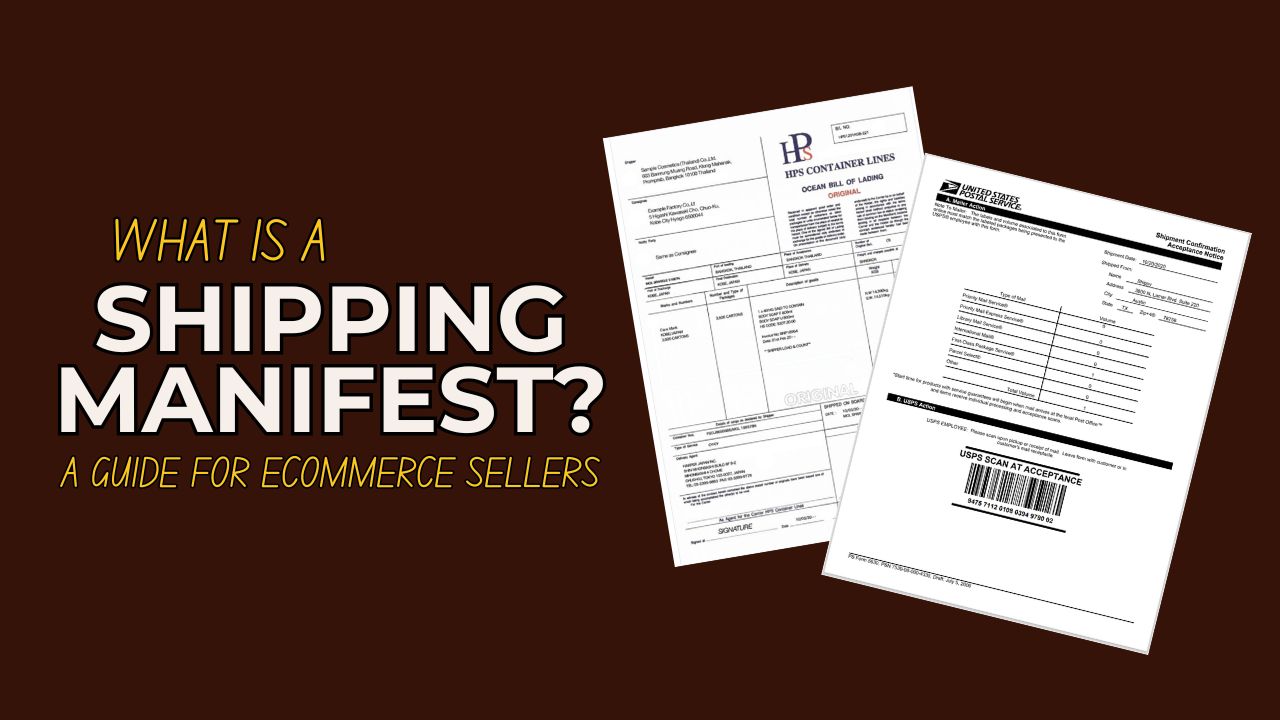
The whole afternoon pickup stalls the second a truck hits the dock if the driver doesn’t see a scan form sitting on top of the pallets today. This shipping manifest works as the master list that ties every separate box into one clear file before it leaves the building for good.
Without this single paper, a package might travel across the country but stay invisible online because the driver never officially logged the handover into their handheld tool. This guide breaks down why carriers need these sheets and how smart systems build them on their own as a brand grows and ships more.
Purpose of a Shipping Manifest
The shipping manifest solves several problems at once by focusing on how quickly trucks move and who takes responsibility when a box goes missing.
Bulk Scanning at Pickup
Drivers often pick up hundreds of parcels at a single stop, and scanning every box one by one would leave the truck idling at the dock for hours today. One quick scan accepts the entire pile into the system, which turns five hundred individual tasks into a single second of work.
This ensures that every customer sees their tracking status update the moment the truck pulls away from the warehouse, rather than waiting for a hub scan later that night.
Chain of Custody
Having a signed manifest creates a hard record that the driver actually took the boxes into their possession at the warehouse door. Once that paper is scanned, the warehouse is no longer on the hook for those items if they get lost or broken during the trip.
If a buyer calls about a missing box, the manifest provides the proof needed to file a claim with the carrier rather than the brand losing money on an error. This record stops the finger-pointing that often happens when a shipment disappears into thin air between buildings.
Customs and International Shipping
For boxes traveling across borders, these lists act as a cargo declaration for officers at the port or the airport who need to know what is entering the country. Border teams need to know exactly what is inside every container before they let it pass through their gates. Missing or wrong lists cause boxes to sit in a hot warehouse at the border for weeks while the paperwork is fixed.
Shipping Manifest vs. Bill of Lading
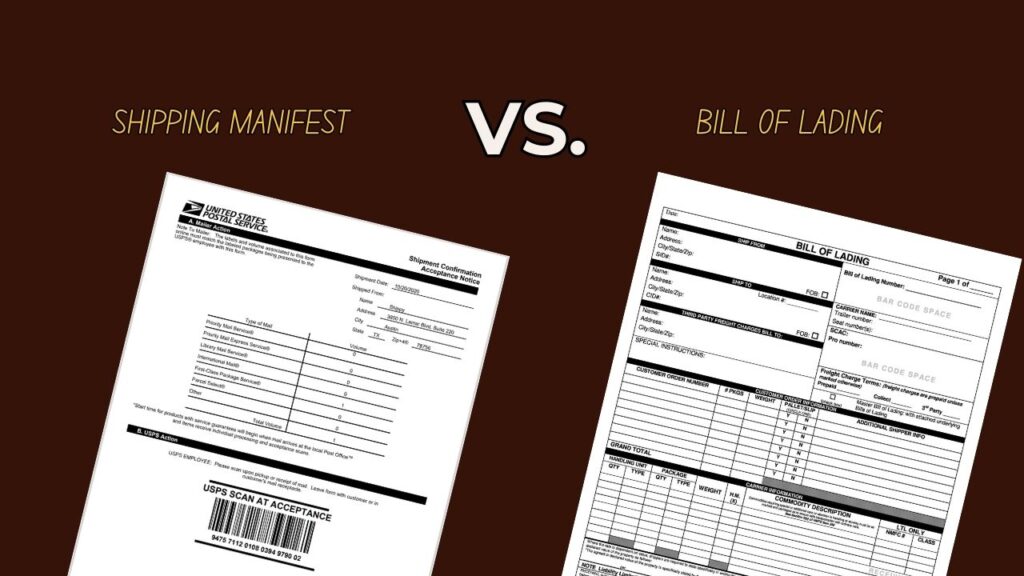
These two papers often get mixed up because both travel with the driver, but they actually handle very different tasks for the shipping department today.
What a Shipping Manifest Covers
A shipping manifest is built for smaller parcels and air cargo shipments that move as individual boxes rather than large pallets.
Whether the warehouse is handing over a stack of USPS SCAN forms, a FedEx end-of-day report, or a UPS carrier sheet, the focus remains entirely on getting the truck away from the loading dock as fast as possible to avoid a backup during the afternoon rush.
What a Bill of Lading Covers
A Bill of Lading, often called a BOL, is used for heavy freight shipments where multiple items are wrapped together on pallets or fill a whole trailer. This document serves as a binding legal contract that describes exactly what is being moved and who carries the blame if the cargo gets damaged or stolen along the way.
It sets the specific rules for ownership and insurance terms, acting as a receipt and a set of instructions for the trucking company rather than just a quick list for a handheld scanner.
The Key Difference
The easiest way to tell them apart is to look at the purpose, because a shipping manifest exists to help the driver work through their route without a stall. A Bill of Lading exists to protect the legal interests of the business and the carrier if a dispute ever lands in court later on.
Types of Shipping Manifests
The look and feel of these documents change based on which truck pulls up to the dock and what kind of goods are inside the boxes today.
USPS SCAN Form 5630
The USPS SCAN form is a staple for online shops because it gathers every separate package into one single sheet that a driver can zap with their handheld tool. If this paper is missing, the tracking status for those orders might stay stuck on “Label Created” for many hours or even days until the boxes finally reach a major sorting hub.
Having this form ready at the back door ensures that every buyer gets a notification that their items are officially moving the second the truck pulls away from the building.
Carrier Manifests for FedEx and UPS
Big shippers like FedEx and UPS use software to build end-of-day lists that summarize every shipment handed over during the daily pickup. These digital reports confirm exactly how many parcels left the warehouse and provide a hard record of the transfer for the brand’s books.
High-volume warehouses rely on their systems to print these sheets automatically so the crew doesn’t have to scramble or count boxes by hand while the driver is waiting to leave.
Hazmat Manifests
Shipping dangerous goods like lithium batteries, cleaning chemicals, or other restricted materials requires a much stricter type of paperwork. These specialized lists must follow specific legal rules to ensure that the driver and the hub staff know exactly how to handle the cargo safely during the trip.
Making a mistake on a hazmat form leads to more than just a late delivery because it can result in heavy fines or serious legal trouble for the company if a spill or accident happens on the road.
How NextSmartShip Automates Documentation
Moving thousands of orders out the door every week requires a system that stays steady rather than relying on a warehouse crew to remember every piece of paper today. NextSmartShip builds the needed manifest lists directly into the daily work so that the right forms are always sitting at the loading dock the moment a driver pulls up to the building.
Automatic Manifest Generation
The system builds the required shipping lists on its own for every carrier pickup scheduled for the afternoon, which removes the need for anyone to count boxes by hand or print out long sheets of paper manually.
The software handles the sorting and grouping of tracking numbers so that the warehouse floor stays focused on packing rather than paperwork. Drivers get the exact document they need to scan every single time, which ensures that every parcel enters the tracking system without a single miss.
Digital Customs Transmission
For boxes traveling to other countries, the data moves through the web to border agents before the plane or truck even arrives at the gate. Information travels through digital trade systems so that customs officers have the full story on every container ahead of time. Sending these facts early cuts down on the chance of a package getting stuck at the border or held for a long manual inspection.
Proof of Shipment Records
Every list stays stored in the digital archives forever, providing a hard trail of evidence if a box ever disappears between the warehouse and the customer’s front door. Having a record of the driver’s scan provides the proof needed to win a claim with a carrier if they lose a shipment during the trip.
Instead of digging through old file cabinets, a manager can find the exact pickup details in seconds to show a merchant when a parcel left the facility.

Conclusion
While a shipping manifest looks like a basic single page, the weight it carries for a business reaches far beyond the warehouse doors today. This list ensures that every box gets logged into the system correctly so that tracking numbers start moving the moment the truck pulls away from the dock for good. Moving away from hand-written lists toward automated tools allows a shop to ship thousands of boxes without drowning in messy stacks of paper.