Ecommerce Fulfillment Guide

Which Model Fits Your Growth Stage?

Fulfill directly from China, stock inventory in one of our global warehouses closer to your customers, or combine both with a hybrid fulfillment strategy.

NextSmartShip gives DTC brands the flexibility to choose the right
fulfillment model for each SKU, market, and stage of growth.

The Fulfillment Challenges DTC Brands Face

01

Inventory Risk

Too much inventory ties up warehouse space and increases carrying costs, while too little leads to stockouts and missed sales. As brands grow across channels and locations, keeping the right products in the right place becomes increasingly difficult.

02

Rising Fulfillment Costs

Shipping rates are only part of the equation. Storage, handling, labor, dimensional weight, surcharges, returns and inefficient inventory placement can quickly push fulfillment costs higher as order volume grows.

03

Cash Flow Pressure

Inventory requires cash long before it generates revenue. Brands often pay for production, freight, duties and storage upfront, leaving valuable working capital tied up in products that may take weeks or months to sell.

04

Delivery Expectations

Customers expect fast, affordable and reliable delivery, along with accurate tracking and clear delivery estimates. Meeting those expectations consistently becomes harder as order volumes, destinations and sales channels increase.

05

Fragmented Operations

Managing inventory, orders and fulfillment across multiple warehouses, marketplaces and systems can create gaps in visibility and unnecessary manual work. Disconnected operations make it harder to know where orders stand and where problems are occurring.

06

Global Expansion

Selling internationally introduces new layers of logistics, from customs to regulations,shipping costs and longer transit times. Without the right fulfillment infrastructure, reaching new markets can quickly become expensive and difficult to manage.

One Fulfillment Network Three Ways to Scale

Choose the fulfillment model that fits your products, customers, and stage of growth — from flexible China fulfillment to fast local delivery or a combination of both.

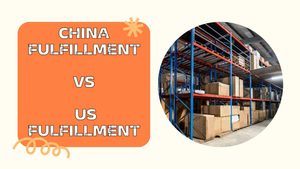
China Fulfillment

Best for flexibility and global reach

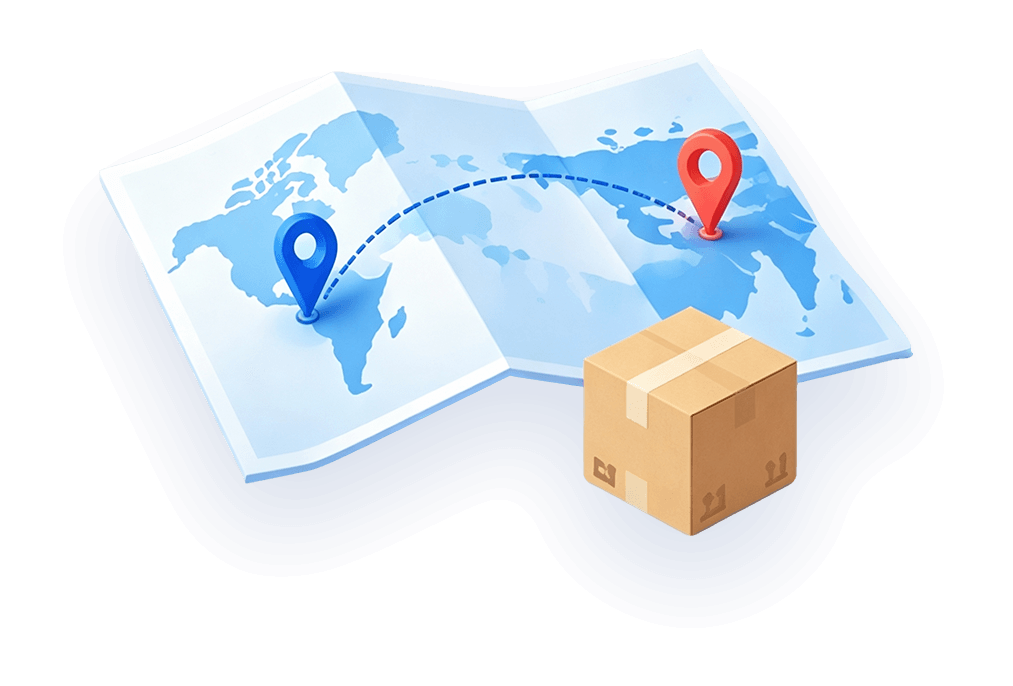
Keep inventory close to your suppliers in China and fulfill orders directly to customers worldwide. This reduces the need to commit stock to individual markets before demand is proven.

Best for:

Why brands use it:

· New products launches
· Long-tail SKUs
· Seasonal products
· Global orders

Why brands use it:

Keep inventory close to production, stay flexible as demand changes, and avoid committing too much stock to local warehouses before you know what will sell.

Local Fulfillment

Best for speed and proven demand

Position inventory in fulfillment centers closer to your customers and fulfill orders through domestic delivery networks.

Best for:

Why brands use it:

· Best-selling products
· High-volume SKUs
· Markets where fast
  delivery matters most

Why brands use it:

Position inventory closer to your customers for faster domestic delivery, more reliable fulfillment, and a better post-purchase experience.

Hybrid Fulfillment

Best for balancing speed, cost, and inventory risk

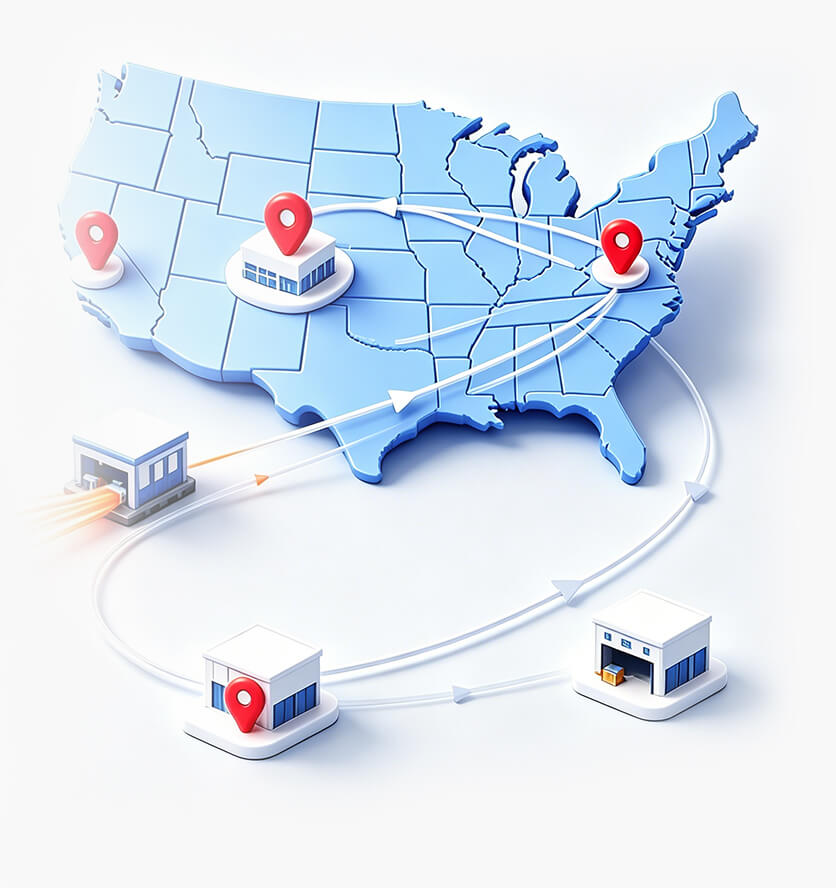
Use China and local fulfillment together instead of applying the same strategy to every SKU. Keep flexible inventory centralized while positioning proven products closer to customers.

Best for:

Why brands use it:

· Multiple markets
· Changing demand
· Growing brands with
   different SKU velocities

Why brands use it:

Keep fast-moving products closer to customers while storing slower-moving or less predictable inventory in China. Fulfill each order from the right location to balance delivery speed, inventory costs, and cash flow.

Not sure which model fits your business?

We’ll help you build the right fulfillment setup based on your products,
markets, and growth stage.

What Makes a Fulfillment Strategy More Effective?


Which Fulfillment Model Fits Your Business?

Key Consideration

Inventory
Commitment

Delivery Speed

Market Testing

SKU Strategy

Best Fit

China
Fulfillment

Low

Moderate

High Flexibility

Long-Tail SKUs

Market Validation

Local
Fulfillment

High

Fast

Limited Flexibility

Fast-Moving SKUs

Established Demand

Hybrid
Fulfillment

Flexible

Fast

High Flexibility

SKU-based Strategy

Multi-Market Growth

Key Consideration
China
Fulfillment
Local
Fulfillment
Hybrid
Fulfillment
Inventory
Commitment
Low High Flexible
Delivery
Speed
Moderate Fast Fast
Market
Testing
High Flexibility Limited Flexibility High Flexibility
SKU
Strategy
Long-Tail SKUs Fast-Moving SKUs SKU-based Strategy
Best
Fit
Market Validation Established Demand Multi-Market Growth

Not sure which model fits?

Start with your demand, not your warehouse.
Consult with one of our fulfillment advisors

How Should Your Fulfillment Change as Your Ecommerce Business Grows?

Criteria
Test
Grow
Scale
Primary Focus
Flexibility Faster Delivery Network Optimization
Inventory
Centralized Inventory Selective Inventory Placement SKU & Market Allocation
Demand
Unproven Demand Proven Market Demand Forecastable Demand
Fulfillment model
China Fulfillment China + Local Fulfillment Hybrid Fulfillment
China Hub
Primary fulfillment hub Central inventory + direct fulfillment Central Inventory + Long-Tail SKUs
Local Hub
Limited / None Fast-Moving SKUs Market-specific inventory

Criteria

Primary Focus

Inventory

Demand

Fulfillment model

China Hub

Local Hub

Test

Flexibility

Centralized
Inventory

Unproven
Demand

China
Fulfillment

Primary
fulfillment hub

Limited / None

Grow

Faster Delivery

Selective Inventory
Placement

Proven Market
Demand

China + Local
Fulfillment

Central inventory +
direct fulfillment

Fast-Moving
SKUs

Scale

Network
Optimization

SKU & Market
Allocation

Forecastable
Demand

Hybrid
Fulfillment

Central Inventory +
Long-Tail SKUs

Market-specific
inventory

What Should You Expect Beyond Basic Fulfillment?

Custom Packaging

Use packaging that matches your brand and product requirements instead of relying only on standard shipping materials. From custom boxes and mailers to branded packing materials, orders can be prepared to your specifications before they leave the fulfillment center.

Kitting & Assembly

Combine individual products or components into ready-to-ship kits, bundles, multipacks, or subscription sets. Products can also be assembled, packaged, and prepared as finished SKUs before fulfillment.

Quality Inspection

Check incoming inventory for visible damage, missing components, packaging issues, incorrect quantities, or other specified quality requirements before products are stored or shipped.

Inventory Consolidation

Bring inventory from multiple suppliers into one fulfillment hub before distribution. Products can be received, counted, inspected, organized, and combined into a single inventory flow before being shipped to customers or other fulfillment locations.

Ecommerce Integrations

Connect your ecommerce stores, marketplaces, and fulfillment operations so orders and inventory data move automatically between systems. Integrations help keep stock levels, order status, shipping information, and tracking synchronized.

Returns Management

Manage the reverse logistics process from receiving returned products to inspection, sorting, repacking, restocking, or other agreed-upon disposition. Sellable inventory can be returned to stock instead of sitting outside your normal fulfillment flow.

Labeling & Relabeling

Apply or replace product labels, barcodes, SKU labels, FNSKU labels, country-of-origin labels, and other required markings. Inventory can be relabeled for different marketplaces, retailers, destinations, or compliance requirements without being sent to another facility.

More flexibility. More control.
A stronger supply chain for your business.

How To Balance Fast US Delivery Without Sending Every SKU to a US Warehouse?

One fulfillment model doesn’t need to apply to every SKU. A hybrid strategy can keep high-volume products closer to customers while slower-moving SKUs remain centralized in China.

Use Case

Imagine a US-focused DTC accessories brand that sources its products from China. It carries 30 SKUs, but most sales come from just a few products: the top 6 SKUs generate around 70% of US orders, while demand for the other 24 is less predictable.

The Fulfillment Strategy

Instead of choosing one model for the entire catalog, the brand uses a SKU-based approach:

Top 6 high-volume SKUs →

US fulfillment

Proven products are replenished
in bulk to a US warehouse and
fulfilled domestically.

Remaining 24 SKUs →

China fulfillment

Newer and slower-moving products remain centralized in China and are shipped directly as orders arrive.

DTC Fulfillment Resources

How NextSmartShip
DTC Fulfillment Works

Every step is designed to keep operations simple and connected.

01

Connect your store

Sync orders, inventory, and fulfillment data.

02

Send us your inventory

Ship products from your suppliers or transfer existing stock.

03

Choose where inventory sits

Fulfill from China, local warehouses, or a combination of both.

04

We pick, pack & ship

Orders are fulfilled according to your selected inventory and fulfillment strategy.

05

Adjust as demand changes

Reallocate inventory and update your approach as order volume and markets grow.

Your Fulfillment Partner
for Global Growth

See DTC Fulfillment in Action

Get practical insights on shipping, fulfillment, inventory, and ecommerce growth.

FAQs

A good rule is to look at each product and market separately. Fast-selling products with steady demand are usually better to stock locally, especially if customers expect faster delivery. New products, slower-moving SKUs, seasonal items, or products with unpredictable demand can often stay in China for more flexibility. You should also consider product size, weight, margins, storage costs, shipping costs, and how quickly you can restock.

We support custom packaging, kitting, and assembly at our China warehouse. Packaging can be tailored to match your brand identity, including more eco-friendly options. For bundles, subscription boxes, promotional sets, or other multi-item orders, our team can sort, assemble, and pack products together before fulfillment to ensure consistent presentation and accurate order preparation.

It depends on the product, order volume, and destination. Fulfilling from China may have higher international shipping costs, but it can reduce expenses such as bulk freight, local receiving, storage, and excess inventory. Local fulfillment usually offers lower domestic shipping rates, but you also need to account for importing, duties, storage, and inventory carrying costs. So, the cheapest shipping rate is not always the cheapest option overall. The better comparison is the total fulfillment cost per order.

When you move inventory overseas, you’re paying for it before it starts generating sales. On top of manufacturing, you may also need to cover bulk shipping, duties, receiving, and storage costs upfront. If those products sell slowly, more of your cash stays tied up in inventory for longer and storage costs can continue to build. That’s why sales velocity matters. Fast-moving products are usually easier to justify stocking locally, while slower or less predictable products can put more pressure on cash flow.

You don’t need a Chinese bank account to pay for shipping. We support several international payment options, including credit card, debit card, bank transfer, PayPal, and Payoneer. Payments can be made in major currencies such as USD, EUR, GBP, AUD, and CAD. Depending on the payment method, processing may take one or a few business days. Once the payment is received and verified, your account balance will be updated automatically.

It depends on how quickly each product sells, how much stock you have left, and how long replenishment takes. Fast-moving products may need more frequent restocking, while products with steady demand can often be replenished in larger, planned shipments.

It’s also important to review sales performance regularly and adjust your replenishment plan as demand changes. The goal is to keep enough stock available without overstocking.

Stock each warehouse based on where each product is actually selling, rather than splitting inventory evenly. Track sales by SKU and location, inventory levels, and replenishment times, then adjust future shipments as demand changes.

A hybrid fulfillment setup can also help by keeping some inventory centralized in China while proven, faster-moving products are stocked locally. This gives you more flexibility to replenish local warehouses without committing too much inventory too early.

Before sending inventory, simply set up your OMS account and add the relevant product details. You’ll also need to create a receiving order so the warehouse knows what is arriving and can prepare to receive it.

Our support team will guide you through the required steps.

Customs duties and import taxes can add cost whether you ship directly from China or stock inventory locally. With China fulfillment, duties and taxes may apply to individual international orders. With local fulfillment, they are usually paid when inventory is imported in bulk and become part of the product’s landed cost. The best way to compare options is to look at the full landed and fulfillment cost, not duties alone. Costs can also vary by product, destination, declared value, and local import rules.

Local fulfillment is usually faster because the products are already stored in the destination market and can ship through domestic delivery networks. China fulfillment takes longer because orders travel internationally and may need to pass through customs before local delivery. Actual delivery times depend on the destination, shipping method, customs processing, product type, and carrier. Speed is important, but it should also be balanced against cost and inventory risk, especially for products that do not need the fastest possible delivery.


Orders and inventory should be managed through one connected system, so you can see where each SKU is stored and how much stock is available at each location. Orders can then be routed based on factors like customer location, product availability, delivery speed, shipping cost, and inventory levels. This makes it easier to manage multiple warehouses as one network and adjust inventory or routing as demand changes.

A China warehouse can be a good fit if your supply chain is based in China and you want more control before products ship to customers. It can simplify supplier coordination, product checks, consolidation, pre-packaging, kitting, and bundling. It also supports branding through custom packaging, marketing inserts, thank-you cards, and other branded materials, helping you create a more consistent customer experience.