

Sites Like Alibaba: Best Alternatives for Product Sourcing

Alibaba is one of the top sources for products worldwide. Many ecommerce sellers use it when searching for manufacturers, wholesale suppliers, private label products, and bulk sourcing options. But, Alibaba isn’t the only choice. Some sellers require less minimum order quantities. Others demand additional verified suppliers, improved array or sourcing platforms outside of China or […]
China Fulfillment Center vs US Fulfillment Center: Which Should You Choose?
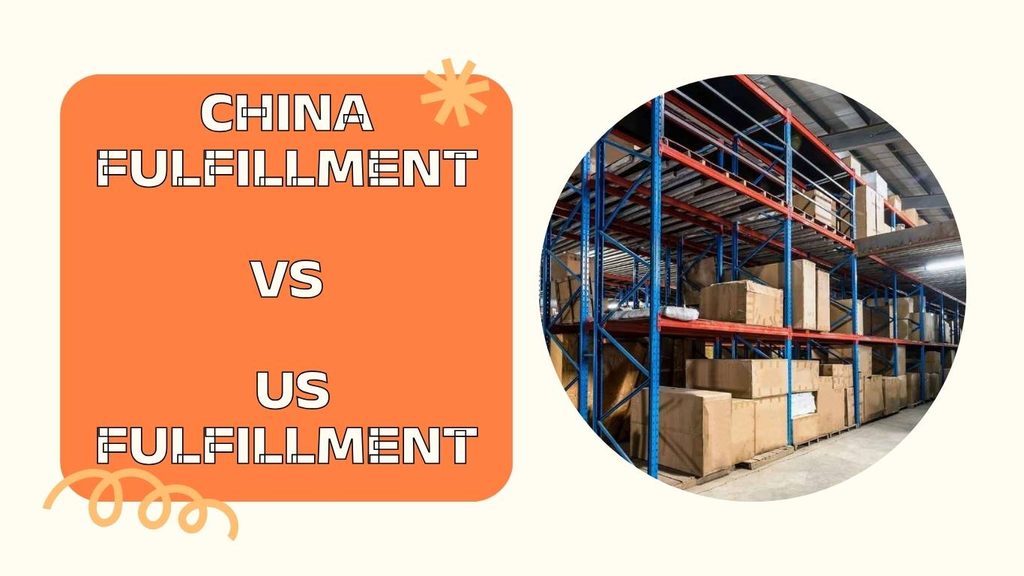
For e-commerce brands sourcing products from China and selling to US customers, the fulfillment location is one of the most important decisions in the supply chain. The decision also matters because online sales volume keeps growing. According to the U.S. Census Bureau’s quarterly retail e-commerce data, U.S. retail ecommerce sales reached $326.7 billion in the […]
Fulfillment vs Dropshipping: Which Model Fits Your Ecommerce Brand?
The first major logistics decision that many ecommerce sellers face is relatively easy to answer on the surface: Dropship or keep inventory and rely on a fulfillment process? Both models can deliver the products to the customers. Both can cut down on the requirement to perform your own storage facility. They operate in very different […]
Huaqiangbei Electronics Market: What E-commerce Sellers Should Know Before Sourcing
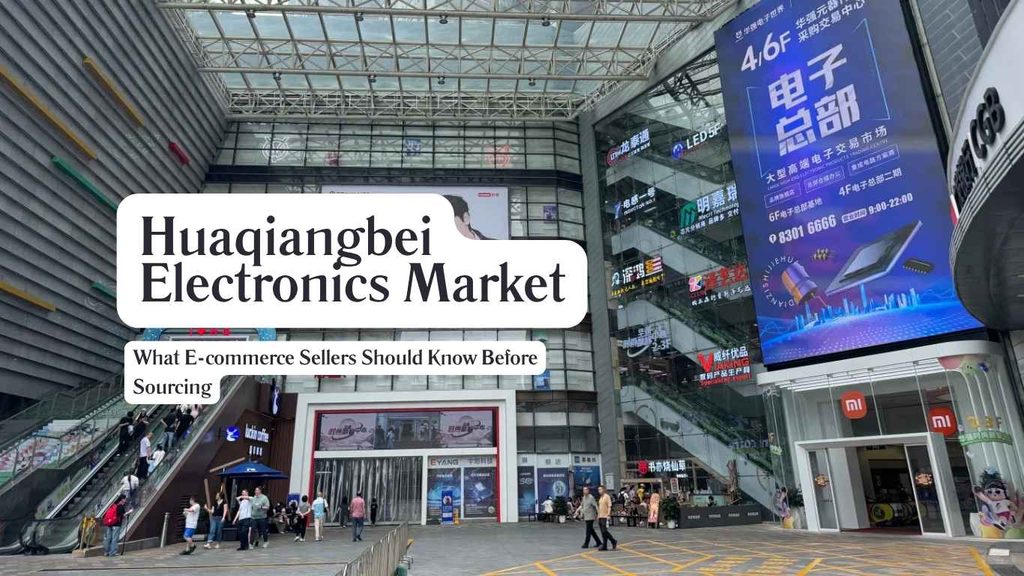
Shenzhen is among the first cities in mind for e-commerce brands that are looking to buy electronics in China. The Huaqiangbei electronics market is one of the most crucial places in Shenzhen itself. Huaqiangbei is a big electronics trading area of Futian, Shenzhen. It is recognized for components, mobile accessories, consumer gadgets, cables, chargers, repair […]
What Does Order Fulfilled Mean? A Simple Guide for E-Commerce Sellers
Customers typically have two expectations when they place an order online: they want timely updates, and they want a hassle-free delivery. That will mean that for sellers, all order statuses must be correct. The most frequently used label is “fulfilled,” but it’s one of the most misinterpreted. So, what does order fulfilled mean? For e-commerce, […]
ROI Optimization for eCommerce Fulfillment Profit
The best way for eCommerce sellers to determine if growth is profitable is by optimizing ROI. While many brands boast about their increased revenue, it doesn’t always mean they have more money. A product might have good sales, only to suffer poor returns when it takes into account product cost, freight, storage, packaging, shipping, fulfillment […]
SKU Risk Control for Profitable eCommerce Growth
As the eCommerce catalogs expand and fulfillment becomes more intricate, SKU risk control is gaining significance. Most inventory is treated by many sellers as an aggregate total, but that’s not necessarily the level at which risk occurs. It occurs on the SKU level. Product A could be sold out before it can be restocked. Another […]
Inventory Management for eCommerce Stock Control
Many e-commerce companies make unnoticeable profits and losses due to poor inventory management. High sales on the surface may lead to cash flow issues, late orders, overselling, and wasted storage costs. For online retailers, it’s not simply a matter of having “enough inventory.” The actual challenge is to have the right stock in the right […]
Hybrid Fulfillment Strategy for Faster eCommerce Growth
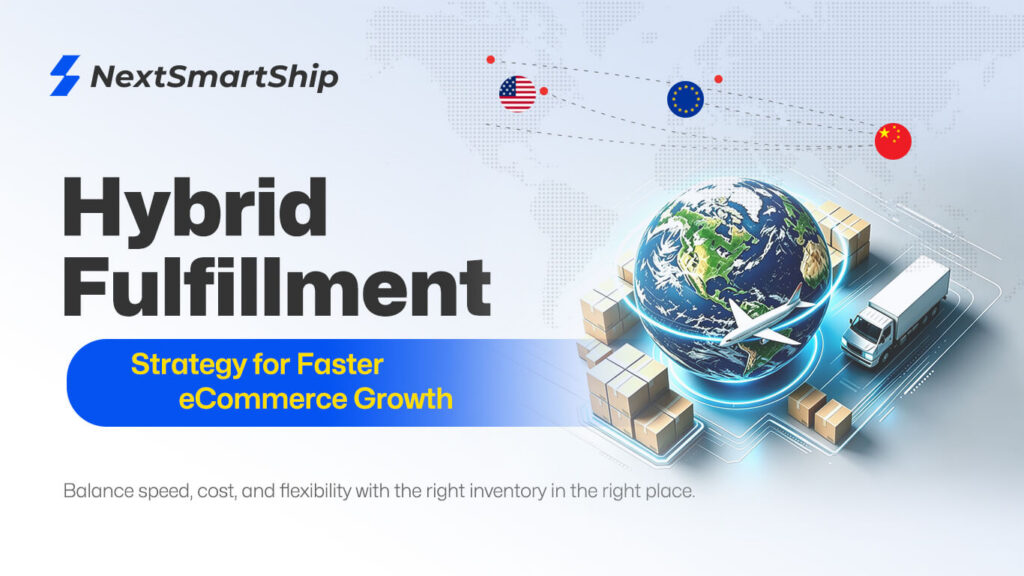
For eCommerce brands, hybrid fulfillment is emerging as one of the savviest options for fast deliveries, reduced storage expenses, and inventory flexibility. Brands do not rely on a single warehouse, a single country, or one single fulfillment option, but a mixture of domestic warehouses, overseas warehouses, Amazon FBA, 3PL services, and direct from China shipping. […]